The tool moment
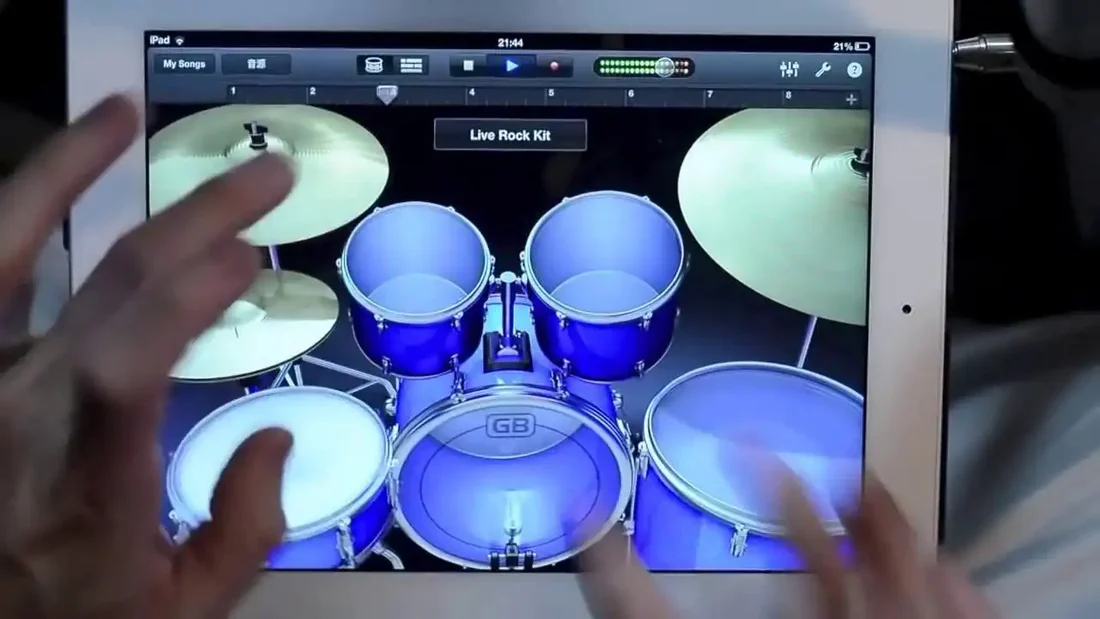
Apple's Drummer first shipped inside Logic Pro X in July 2013, described in the company's own launch materials as the first virtual session player able to “listen to any selected track and come up with the perfect complementary groove,” drawn from a roster of fifteen genre drummers. Two years later, on 24 June 2015, Apple shipped Logic Pro X 10.1. The update's own marketing page and Apple's own 10.1 release notes describe ten additional Drummer characters built for electronic and hip-hop styles, plus a new Drum Machine Designer plug-in for building custom electronic kits from swappable kicks, claps and hats. The point of both moments was the same: a songwriter could sketch a full rhythm part, in a chosen style, without a session player in the room.
What the documents show
Apple's own release notes state that 10.1 also let a project host more than one Drummer track at once, and refined the Follow option so a Drummer track would track a chosen region's take correctly. These are Apple's own descriptions of its own product, not an independent verification of how natural, varied or genre-appropriate the results sound; no listening test is cited here. The 2013 and 2015 materials describe the same underlying mechanic, a groove generator responding to genre and intensity controls, extended in 2015 into new stylistic territory rather than replaced by a different engine.
What stays with the musician
Drummer proposes a performance; it does not decide the song. A musician still chooses which of the drummers and kits fits the track, sets the complexity and intensity controls, and edits or replaces individual hits and fills to match an arrangement's dynamics. Whether a programmed Drummer track should be credited, replaced, or blended with a live take on a released record is a documentation and, on some sessions, a contractual decision that Apple's release notes do not address and that remains the producer's to make.
Judge it by listening
Apple's own text describes Drummer's controls and genre scope; it makes no claim about how a listener will judge the realism of a specific groove. A reader can compare a Drummer take against reference recordings in its own genre for the fills, ghost notes and dynamic build a live player would add across a song's sections, and check whether the Follow setting actually tracks the phrasing of the take a listener hears rather than only a tempo grid. This is an editorial suggestion, not a documented test method from Apple.
- Which drummer character and kit actually match the song's era and instrumentation, rather than the closest available option?
- Does the Follow setting track the phrasing of the part a listener will hear, or only the click?
- Where would a live drummer add a fill or dynamic lift that the generated groove leaves flat?
Read together, Apple's 2013 and 2015 materials describe an expanding tool rather than a single finished feature: a groove generator whose stylistic range grew with each update while its basic bargain, a fast, editable sketch in place of a session player, stayed the same.
Sources & reading trail
Apple's original Logic Pro X launch page describes Drummer's core design: session drummers chosen by genre that listen to a track and generate a complementary groove.
Source published: Not established · Retrieved: 16 September 2026
Apple's own 10.1 update page, live by 24 June 2015, describes ten new genre-specific Drummer characters and the new Drum Machine Designer plug-in.
Source published: Not established · Retrieved: 16 September 2026
Apple's own release notes for version 10.1 list the new Drummer styles, Drum Machine Designer, multiple Drummer tracks per song, and a refined Follow behavior.
Source published: Not established · Retrieved: 16 September 2026
Documentation, papers and the makers' own records establish the note; the judgment about what stays with the musician is Mix & Meaning editorial analysis. This retrospective draft does not imply the site published on the event date.