Workflow / 3 min
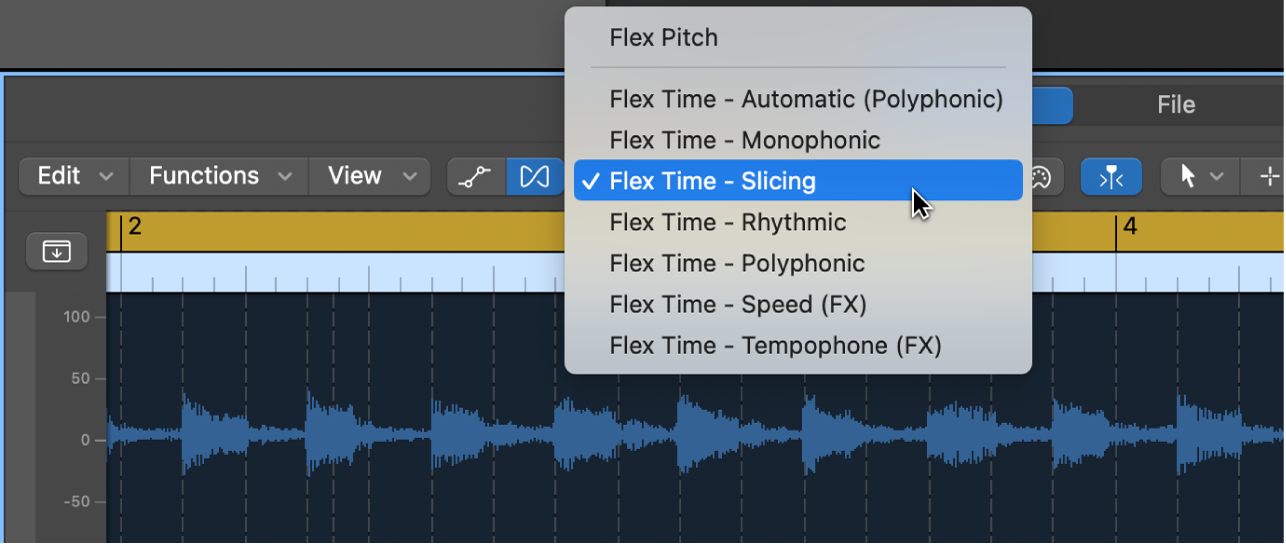
Map the performance before you stretch it
Turn a free-time guide into a workable grid without asking every note to become a metronome.
Read the guide52 full pieces / 8 archive records
Find the tool, the technique, or the listening question. Practical guides sit beside dated records of how these ideas reached the studio.
52 pieces
Workflow / 3 min
Turn a free-time guide into a workable grid without asking every note to become a metronome.
Read the guide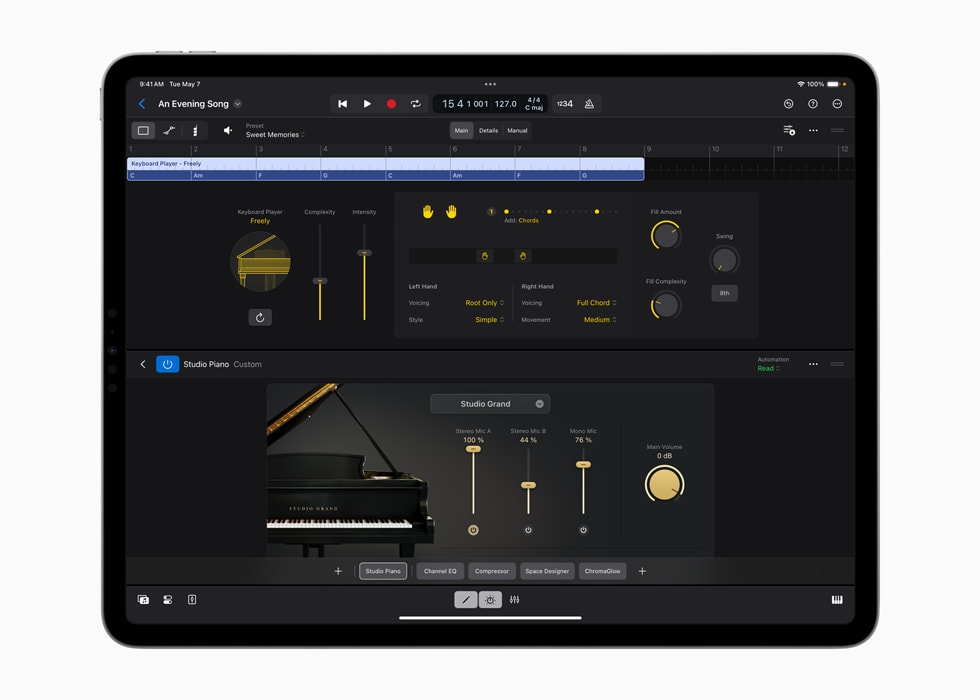
Workflow / 3 min
Treat conversion as a transcription draft: protect rhythm, restore intent, then choose a sound.
Read the guide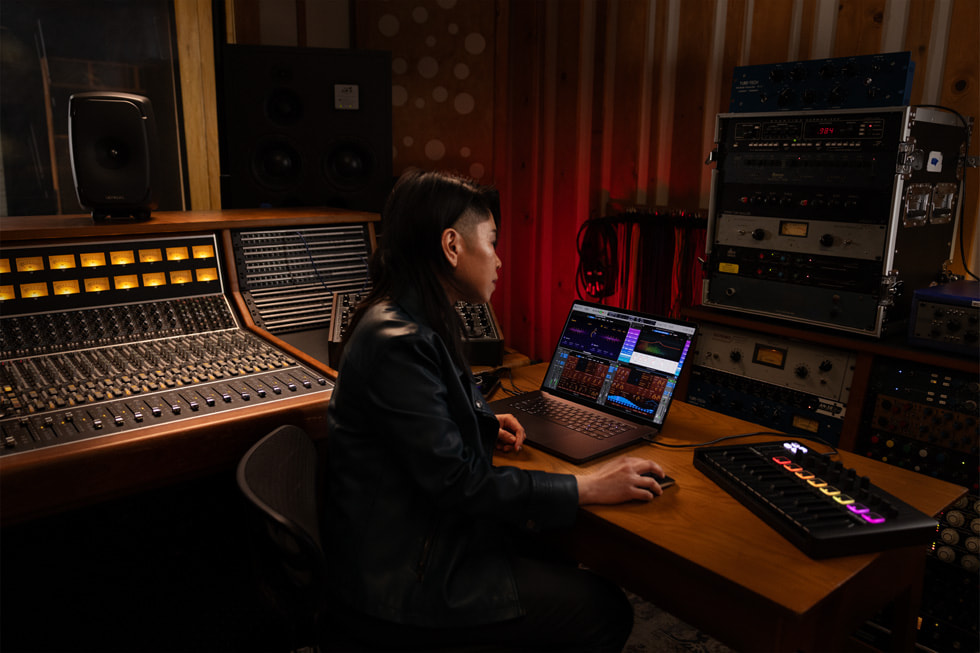
Workflow / 3 min
Make a generated passage meet the session through tone, timing, tail, and phase—not a hopeful cut.
Read the guideWorkflow / 2 min
A loop earns repetition when its exit prepares its return instead of merely hiding it.
Read the guideListening / 2 min
Compare grid, groove reference, and partial quantization by what the band relationship says—not by neatness.
Read the guideListening / 2 min
Use register, rhythm, density, and contrast to leave the singer a changing place to stand.
Read the guide
Listening / 2 min
A mono check is a fast way to locate disappearing parts and unstable tone—not a verdict against stereo.
Read the guideListening / 2 min
Match perceived level, choose a short target section, and let the comparison ask one question at a time.
Read the guideWorkflow / 2 min
Repair a weak bar by naming its job, then rebuilding only the cues the next section needs.
Read the guide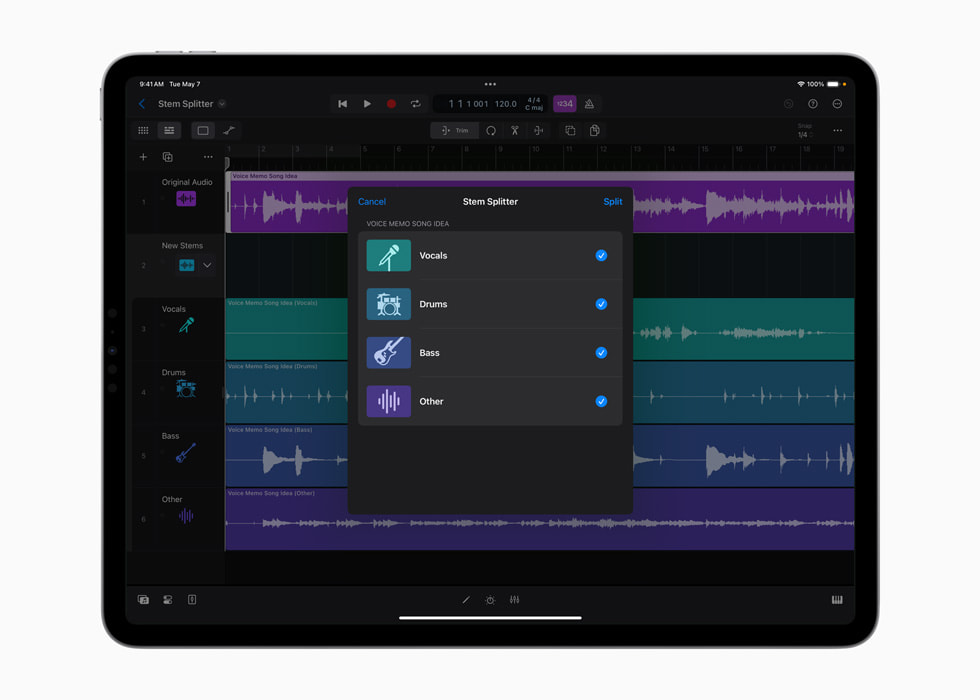
Workflow / 2 min
Deliver dry, wet, and dependency-aware exports so another session can rebuild the musical decision.
Read the guideDelivery / 3 min
A transfer-ready stem pass is a timeline decision: common start, common end, named routing, and a reimport check.
Read the guideDelivery / 3 min
Match the destination and preserve a clear master; do not turn format numbers into a universal streaming recipe.
Read the guideWorkflow / 3 min
Start with the picture’s exact duration, then choose a tempo and form that can arrive cleanly instead of hoping a loop will fit.
Read the guideCollaboration / 2 min
Pair unambiguous filenames with timestamped feedback, one feedback channel, and an explicit freeze point.
Read the guideDelivery / 2 min
Keep the DAW project, dependencies, versions, notes, and reliable audio renders together—then test the archive before you need it.
Read the guideCollaboration / 3 min
Send approved renders and performance directions, not reusable identity access, when a project does not require a collaborator to hold a voice model.
Read the guideWorkflow / 3 min
An instrumental mix is an alternate arrangement with its own focal points, buses, and sends—not merely a vocal mute.
Read the guideDelivery / 2 min
A dependable playback session separates what the audience hears from what performers need, then rehearses the failure path as well as the ideal run.
Read the guideListening / 3 min
Run a small, transparent listening session to surface useful reactions, while keeping its uncertainty and bias visible.
Read the guideWorkflow / 3 min
Use a bounded search, a selection rule, and a written stop decision so promising material reaches arrangement instead of endless comparison.
Read the guideStems / 2 min
Pull a voice out of a mix and the rest of the song becomes newly audible. But a separated part is also an interpretation of the recording.
Read the guide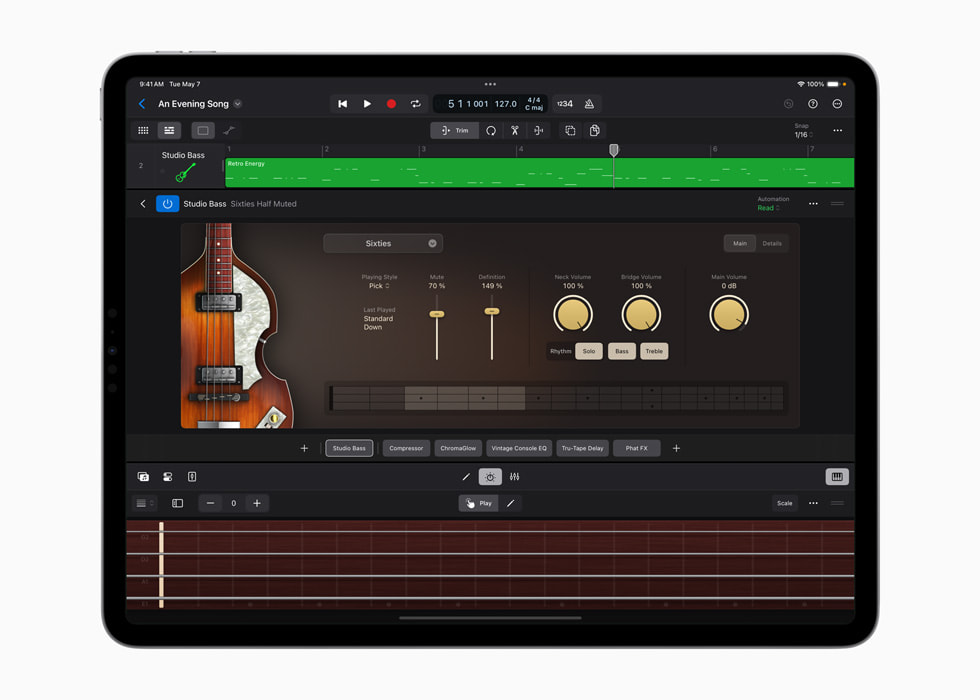
DAW / 2 min
An assistive tool can propose another part. Choosing where that part belongs—and when it should disappear—is still a musical question.
Read the guide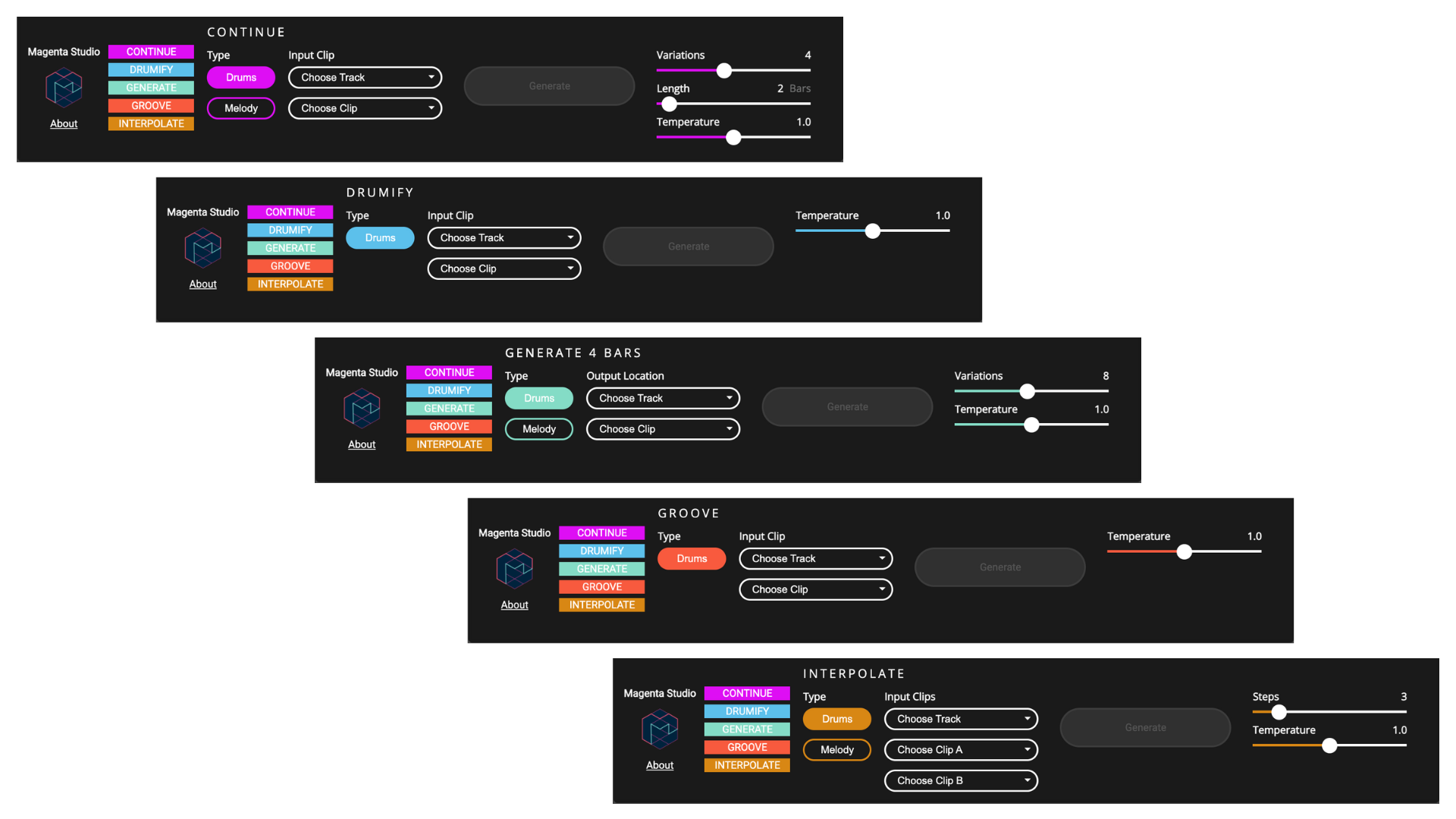
Foundations / 2 min
A practical vocabulary for describing what the machine contributed—and what the musician still decided.
Read the guideWorkflow / 2 min
A musical brief gives an experiment boundaries the ear can evaluate.
Read the guideTools / 2 min
A repeatable comparison for form, control, exports and failure modes.
Read the guideRights / 2 min
A transformation keeps a relationship to its input. Document that relationship before release.
Read the guideRights / 2 min
Treat a voice model like an ongoing permission relationship, with revocation and scope written down.
Read the guideStems / 2 min
A repair workflow for phase, ambience, transients and the artifacts that matter in context.
Read the guideStems / 2 min
Use subtraction, contrast and recombination to discover the shape already latent in a recording.
Read the guideDAW / 2 min
A proposed bass, drum or keyboard part becomes musical when its behavior answers the arrangement.
Read the guide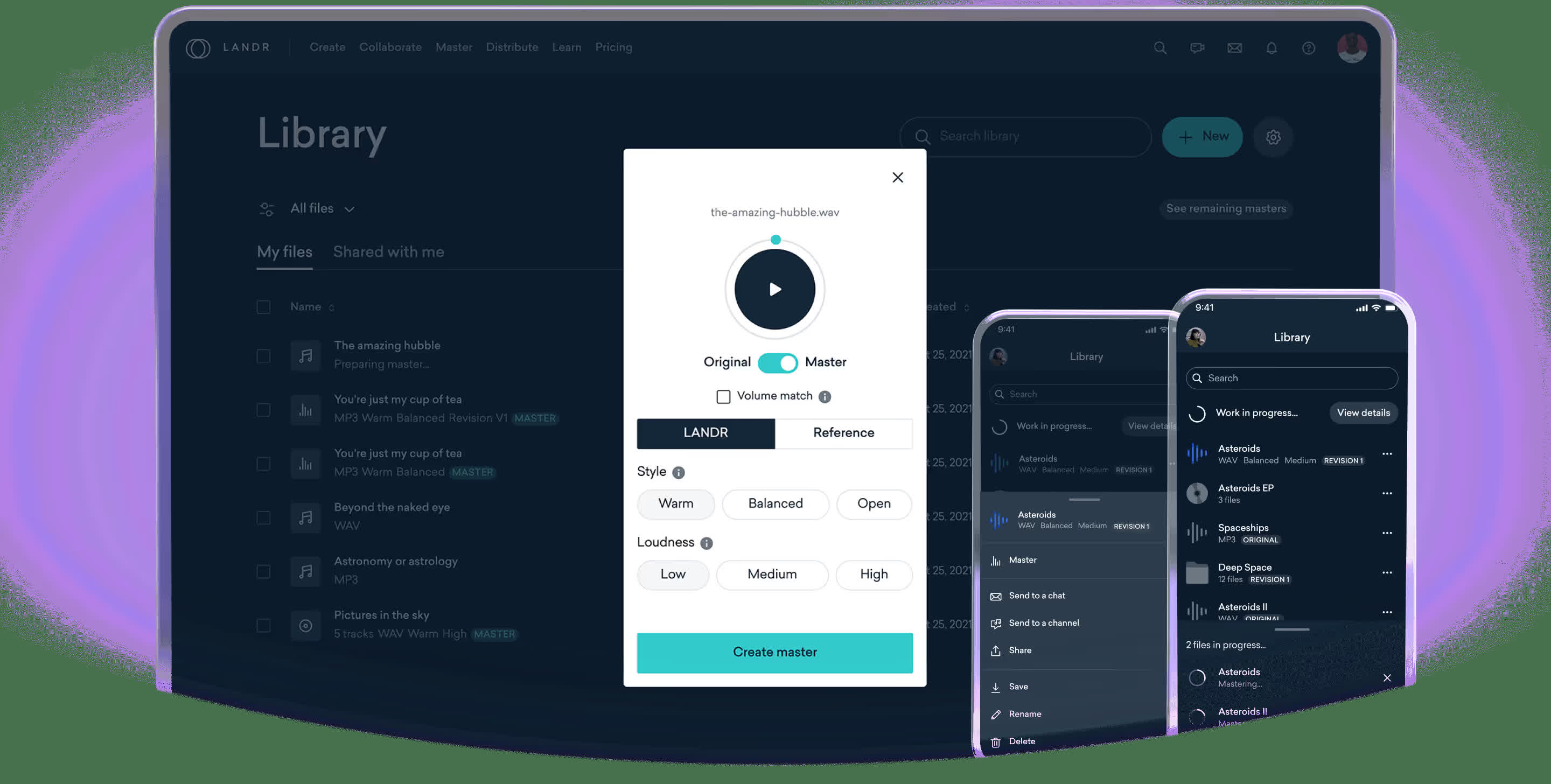
Mixing / 2 min
A level-aware listening method for deciding whether the master serves the arrangement.
Read the guideProvenance / 2 min
A small, durable record of inputs, tools, choices, licenses and deliverables.
Read the guideRights / 2 min
Four questions to ask when a license page says an output can be monetized.
Read the guideRelease / 2 min
A delivery pass for rights, disclosure, metadata, spam controls and a reproducible master.
Read the guideRelease / 2 min
Why bulk generation, impersonation and artificial streaming are different problems from assistive production.
Read the guideSongwriting / 2 min
A session method for lyrics, melody, harmony, arrangement and generated material.
Read the guide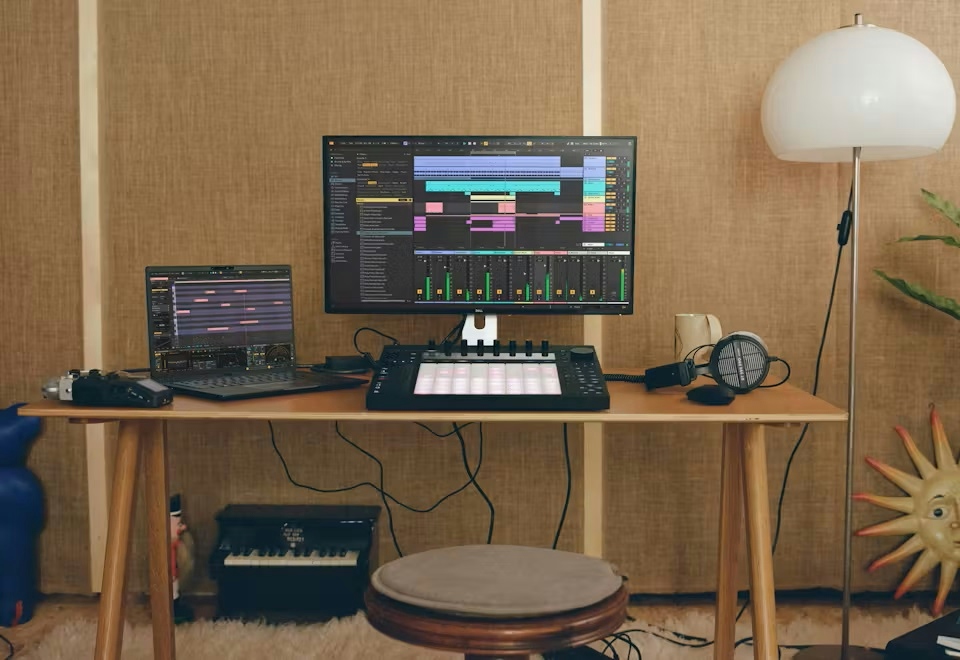
Tools / 2 min
Lean, studio and rights-sensitive ways to combine a DAW, utility tools and documented delivery.
Read the guideEconomics / 2 min
Time, clearance, editing, delivery and maintenance remain real project costs.
Read the guide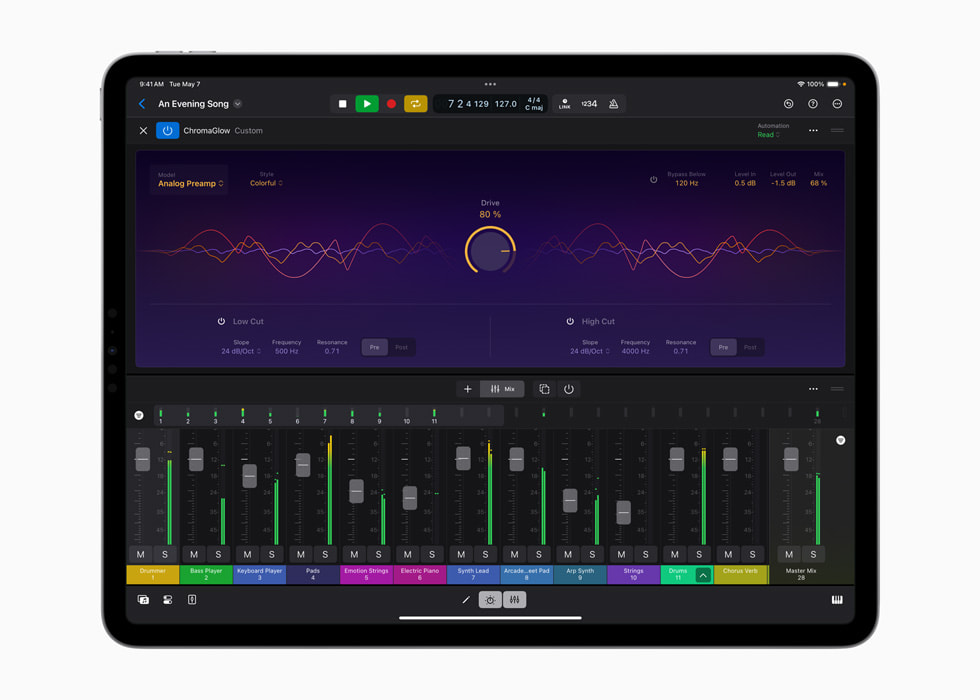
Method / 2 min
Judge musical usefulness, control, evidence and failure modes separately.
Read the guideCreativity / 2 min
Convenient suggestions can broaden an individual draft while narrowing what a group of creators produces.
Read the guideEthics / 2 min
Translate references into musical properties, histories and permissions.
Read the guideEthics / 2 min
A useful note tells listeners what changed, where identity is synthetic and what remains uncertain.
Read the guideFutures / 2 min
A five-part filter for claims about autonomous songs, perfect control and frictionless rights.
Read the guideWorkflow / 2 min
Brief, clear inputs, exploration, selection, arrangement, performance, mix, evidence and delivery.
Read the guideFrom the archive · 2024 / 3 min
Apple’s May 2024 update joined generative accompaniment and stem separation to familiar arranging decisions.
Read the retrospective
From the archive · 2024 / 3 min
The 2024 research preview shifted attention from generating a track to changing its motion, intensity and shape.
Read the retrospectiveFrom the archive · 2023 / 3 min
Meta’s 2023 AudioCraft release paired text-to-music research with an unusually concrete record of training and model limits.
Read the retrospectiveFrom the archive · 2023 / 3 min
Google’s 2023 experiment made text descriptions and hummed melody part of the same historical music-generation story.
Read the retrospectiveFrom the archive · 2020 / 3 min
OpenAI’s 2020 raw-audio research release made fidelity, conditioning and wait time impossible to separate.
Read the retrospectiveFrom the archive · 2019 / 3 min
Deezer’s 2019 source-separation release changed what a producer could inspect inside a finished recording.
Read the retrospective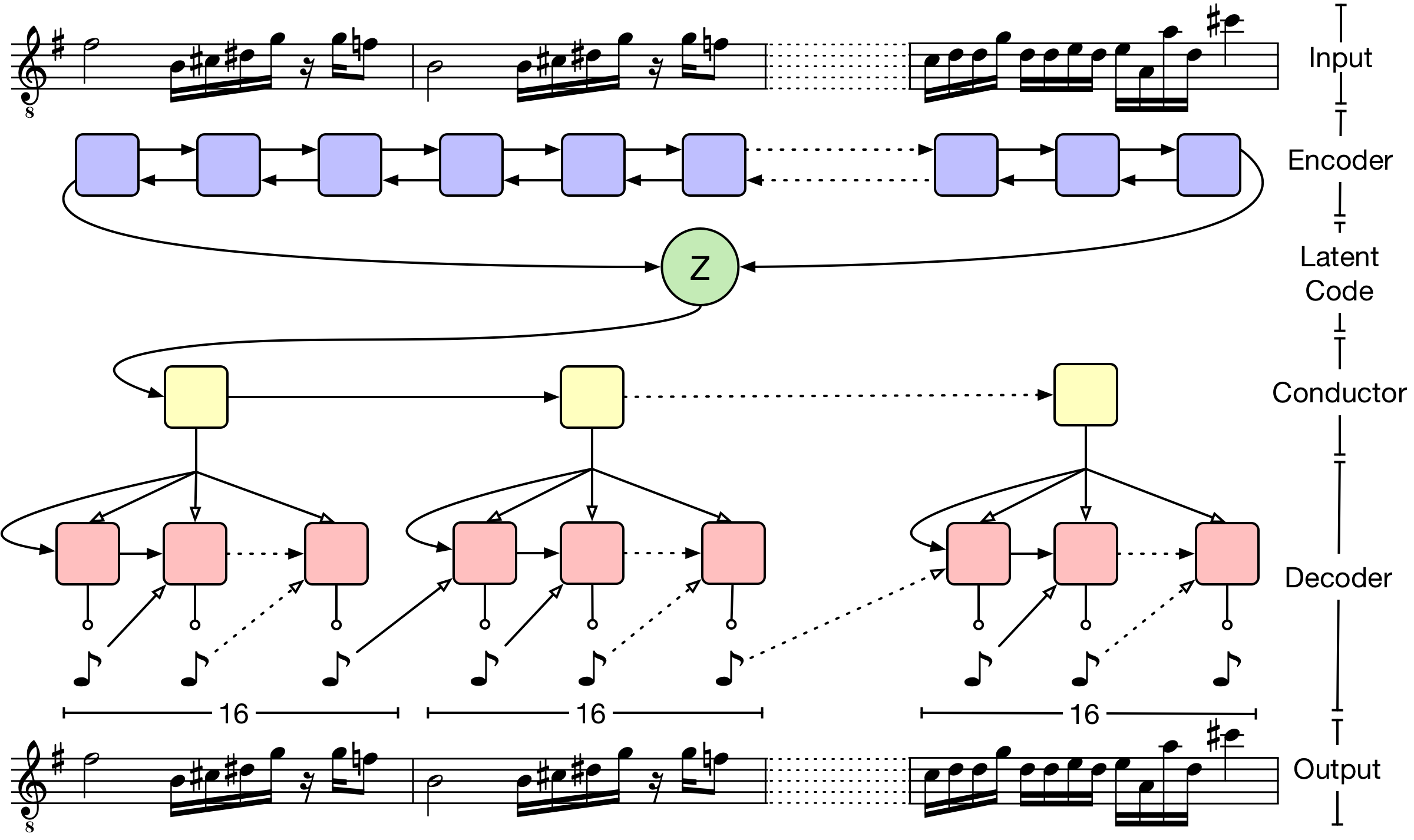
From the archive · 2018 / 3 min
The 2018 Magenta model made interpolation between symbolic ideas its central musical gesture.
Read the retrospective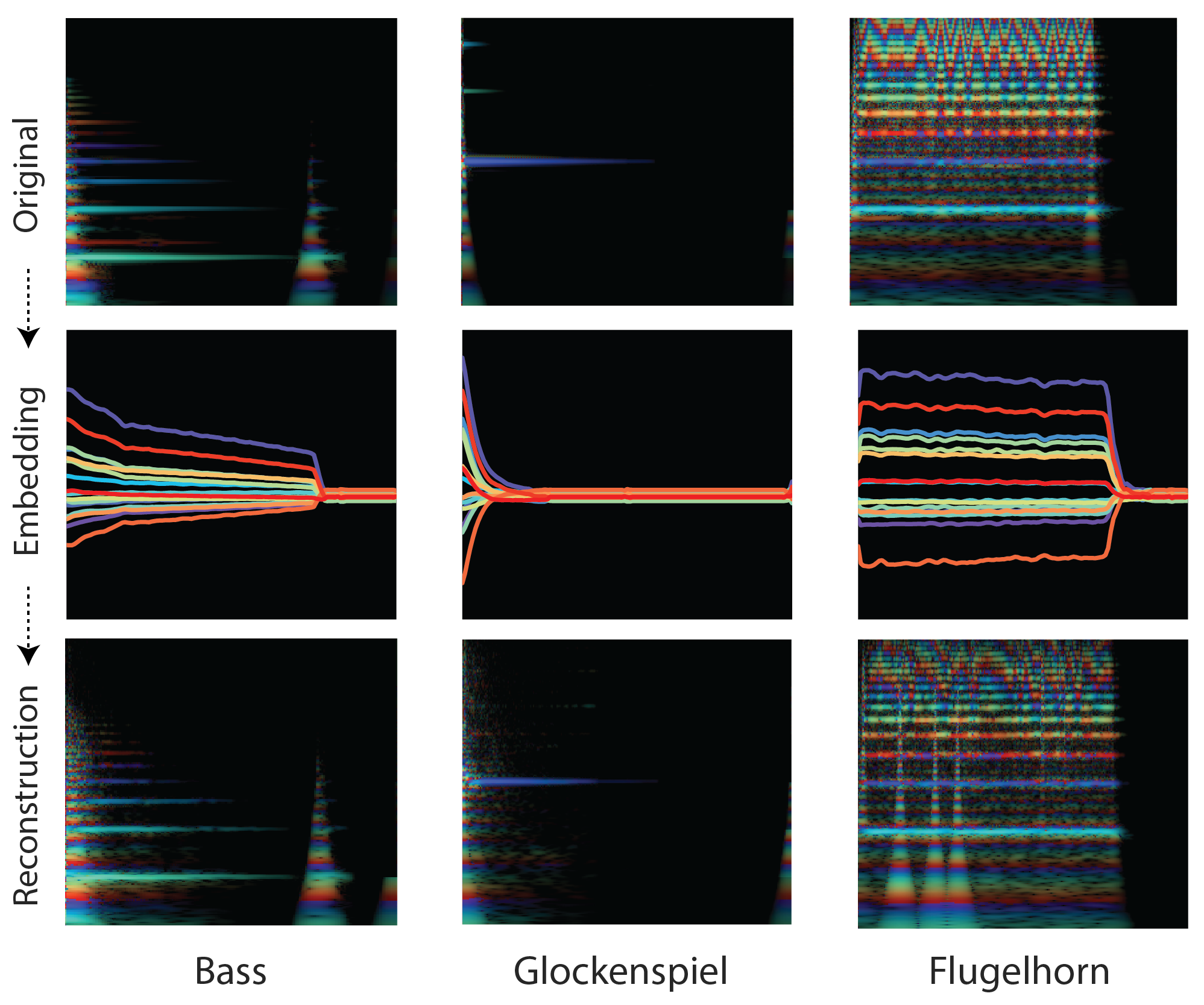
From the archive · 2017 / 3 min
Google Magenta’s 2017 release suggested a neural instrument could be an audition room, not a replacement for one.
Read the retrospectiveNo pieces match those filters. Try a broader phrase or reset the filters.