History / From the archive001
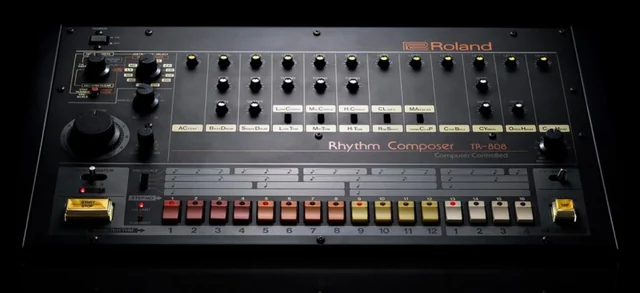
The 808's drum sounds are synthesized, not sampled
Roland's own product history dates the TR-808 to 1980 and describes an analog rhythm composer, not a sample-based machine.
Event: 1 January 1980
3 min readRead note ↗
Retrospective production notes / 100 notes
Tool releases, papers, standards and the older precedents behind AI-assisted music production, each read from the musician's chair: what changed, what stayed with the musician, and how to judge it by ear.
Historical event dates and source dates are separate from the preparation date of this local edition. Every note is a retrospective draft prepared 16 September 2026; none was published on its historical date.
100 notes
Roland's own product history dates the TR-808 to 1980 and describes an analog rhythm composer, not a sample-based machine.
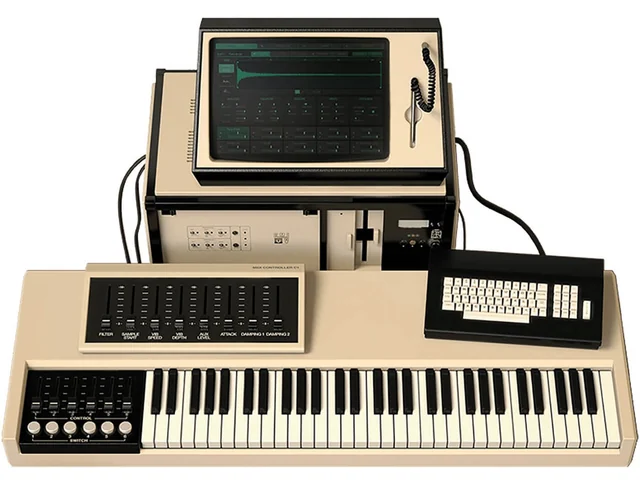
The Fairlight CMI's successor company dates its debut to 1979 and calls it the first commercial sampling instrument.
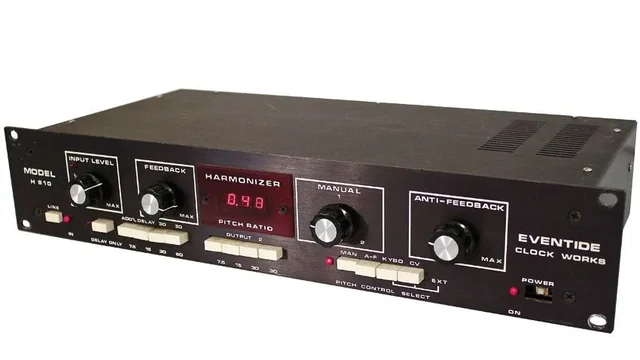
Eventide's own timeline dates the H910 to 1975 and describes manual keyboard pitch shifting, not automatic tuning correction.
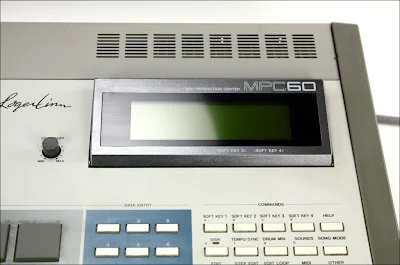
Roger Linn's own account of designing the MPC60 with Akai documents its 1988 debut and the swing-timing feature it carried.
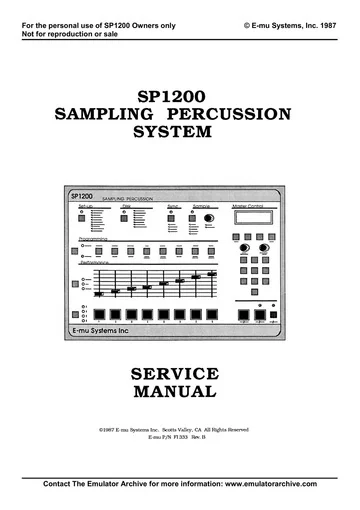
E-mu's 1987 manuals document the SP-1200's fixed 26.04kHz sampling that producers later kept rather than upgraded past.
Alesis's own history page dates the ADAT to 1991 and says it cut multitrack digital recording's price from $50,000 to $4,000.
The MIDI Association's own specification pages define General MIDI's instrument-numbering scope, distinct from the earlier MIDI standard.
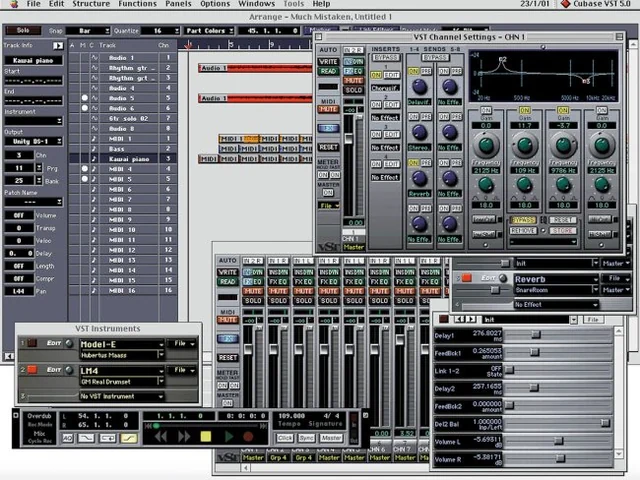
Steinberg's own pages date VST to 1996 and describe an open format that let outside companies build instruments and effects for it.
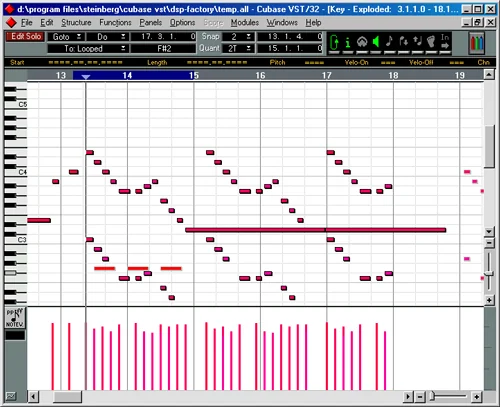
Steinberg's own history dates Cubase 1.0 to 1989 as a MIDI-only successor to Pro-24, with audio recording added two years later.
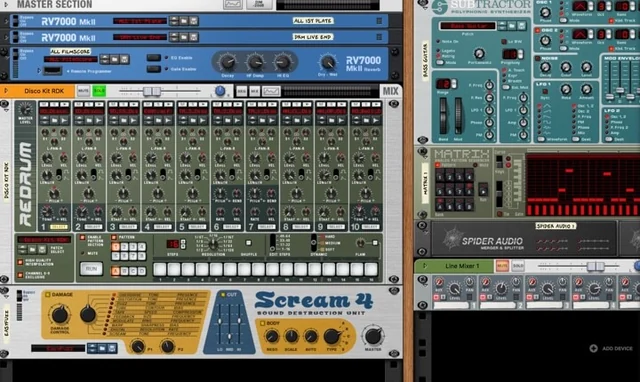
Reason Studios' own timeline dates Reason to 2000 as a modular instrument rack, with audio recording added only in 2009.
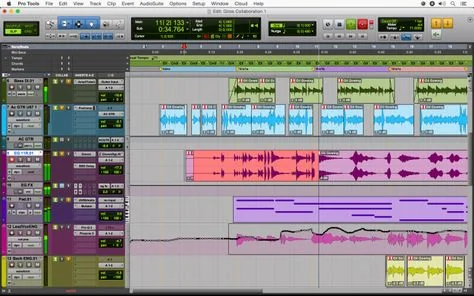
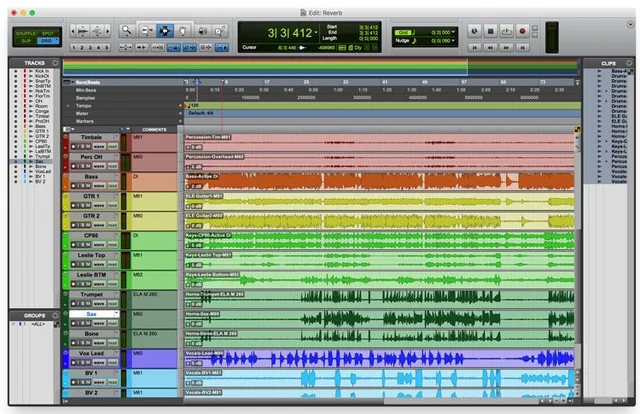
Digidesign's own 1990s pages date Pro Tools to 1991 and describe it as an extension of the earlier Sound Tools editing system.
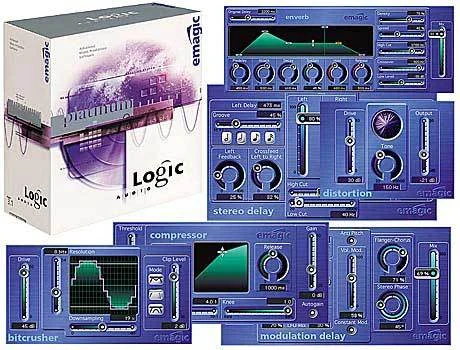
Emagic's own history page and Apple's 2002 acquisition release date Logic's start and its move to Apple almost a decade apart.
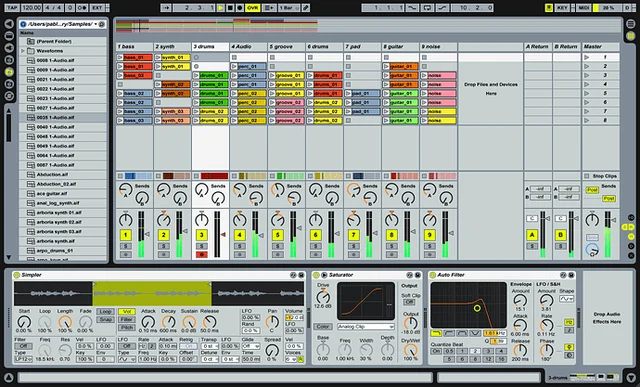
Ableton's archived 2001 pages describe Live's session view as built for real-time clip launching, not a fixed timeline.
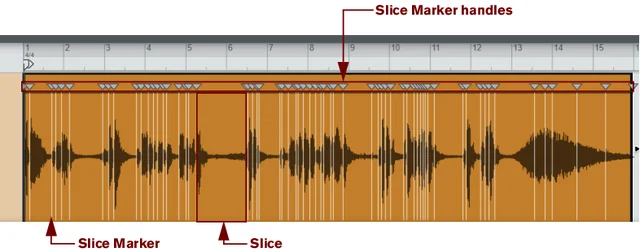
Reason Studios' own pages date ReCycle to 1994 and describe loop slicing as a distinct technique from AI source separation.
Cockos's own dated changelog places REAPER's 1.0 release on 23 August 2006, after a private preview begun in December 2005.
Bitwig's own company page dates its 2009 founding and the 2014 launch of Bitwig Studio, its first product.
Cakewalk's own 2017 notice and BandLab's 2018 release document a discontinued DAW's transfer to a new owner.
Ableton's own March 2013 press release lists Live 9's session-automation and browser changes as the version's main features.
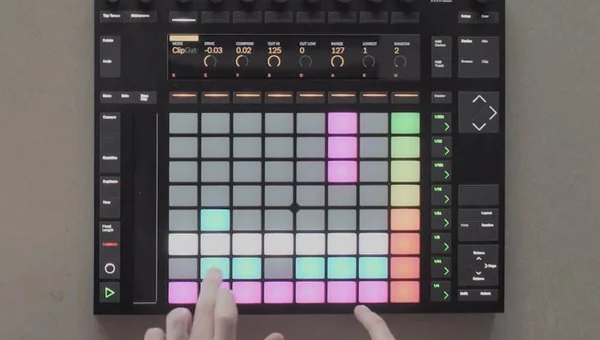
Ableton's own March 2013 release describes Push as a jointly built, pad-based controller for playing Live by hand.
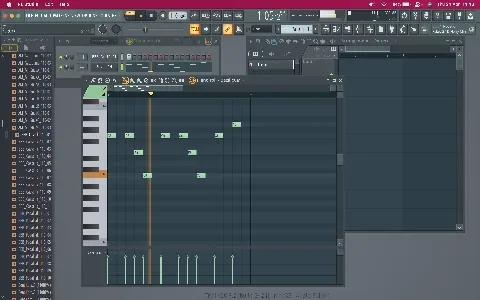
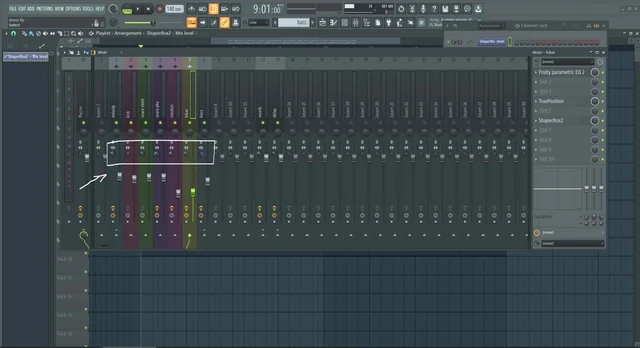
Image-Line's own 2018 announcement describes a Mac-native, time-signature-aware FL Studio 20 with no AI features attached yet.
Image-Line's 2026 release page describes an AI stem-separation tool and a manual-trained assistant built into FL Studio's sequencer.
Steinberg's own feature and edition pages describe AI-powered stem extraction limited to Cubase Pro, alongside refreshed Chord Pads.
Avid's own Cloud Collaboration page describes syncing a shared Pro Tools project and chatting, not editing the same timeline at once.
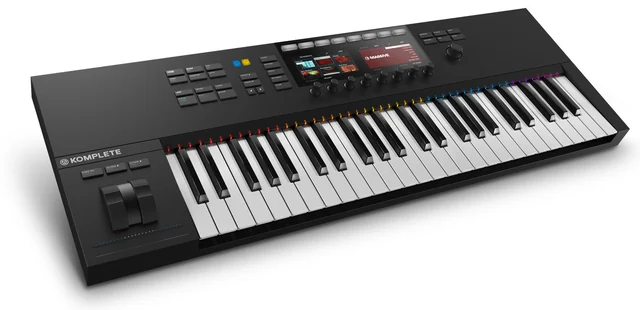
Native Instruments' 2014 announcement and product page describe tag-based browsing and automatic mapping built into the S-Series hardware.
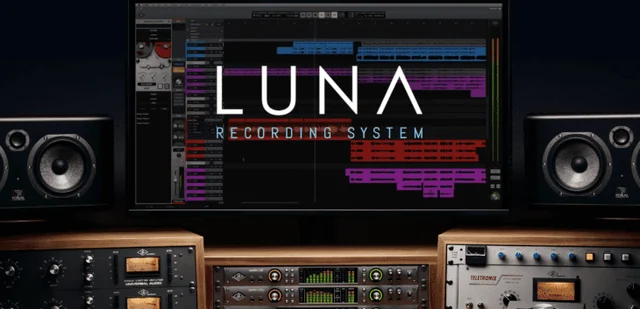
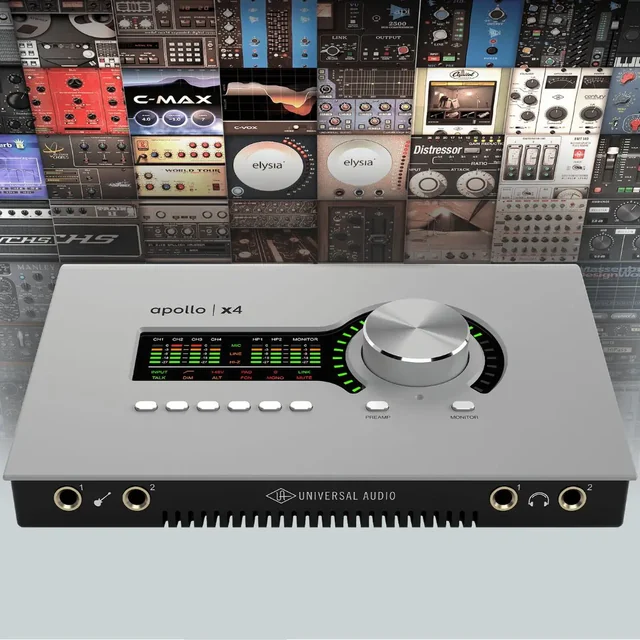
Universal Audio's own archived pages show Luna already free for Apollo and Arrow owners, with Neve summing and tape modeling in the mixer, by 2020.
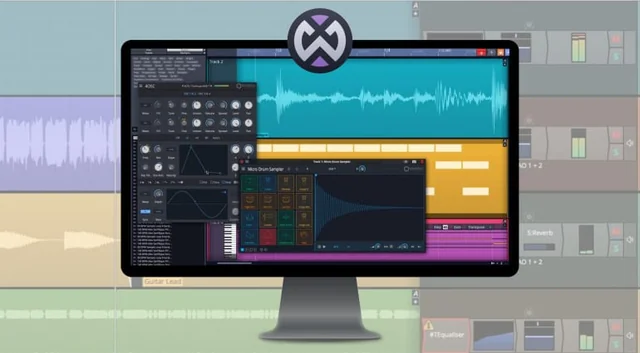
Tracktion's own archived site shows T7 still cost money in mid-2018 and was not made free-for-all until Waveform took its place as flagship.
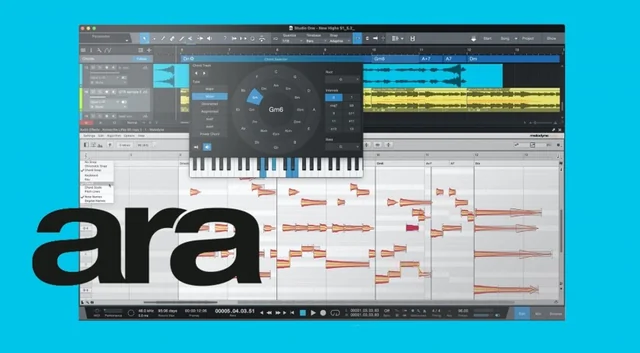
Celemony's own 2011 announcement and current adopter list show what ARA changed for Melodyne, and which major DAWs never adopted it.
The companies' own 2021 announcements describe shared ownership and, months later, a single leadership team, while both brands kept operating.
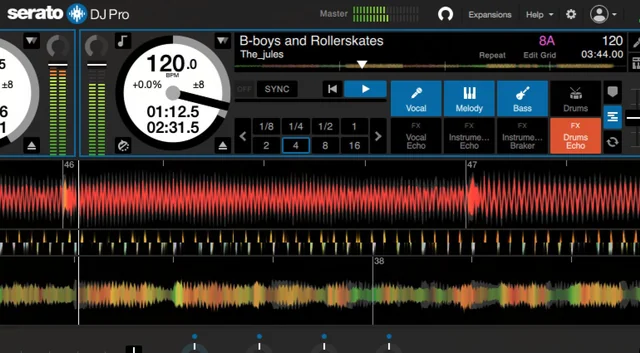
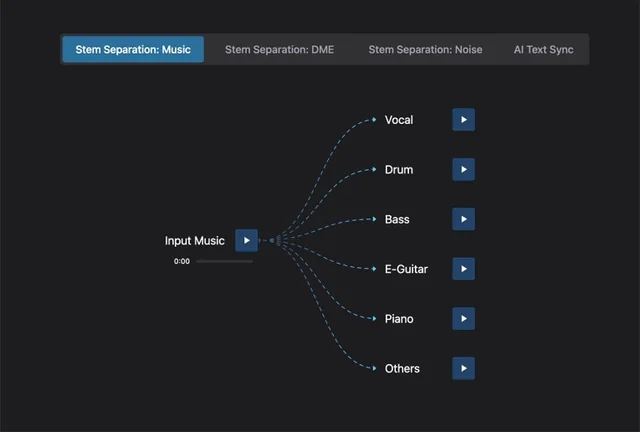
Serato's own beta and release notes show what Stems isolates in real time and what still needs a DJ's ear.
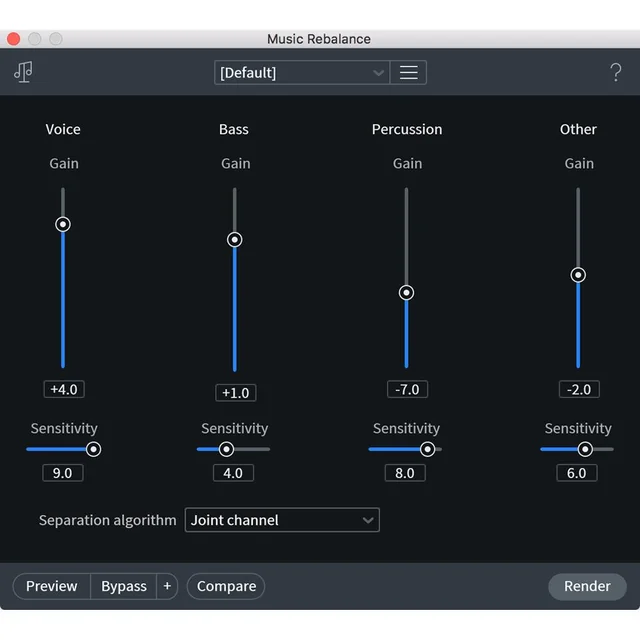
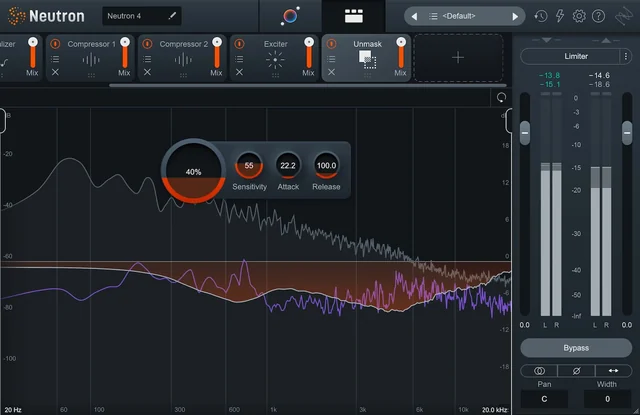
iZotope's own RX 7 documents frame Music Rebalance for both dialogue repair and creative remixing, not one alone.
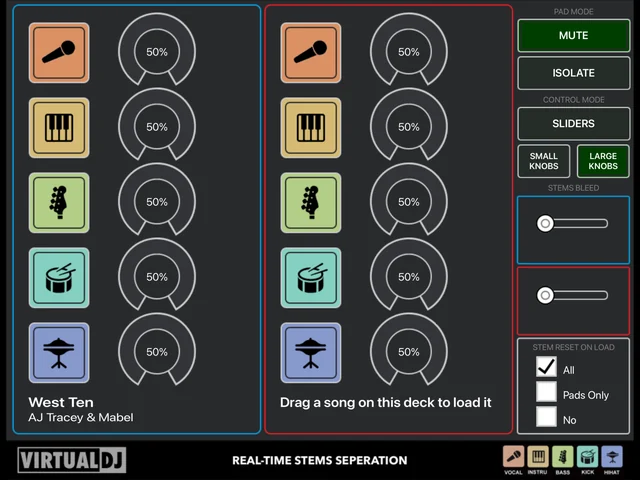
VirtualDJ's own site describes real-time separation into vocals, instruments and drums with no fixed release date.
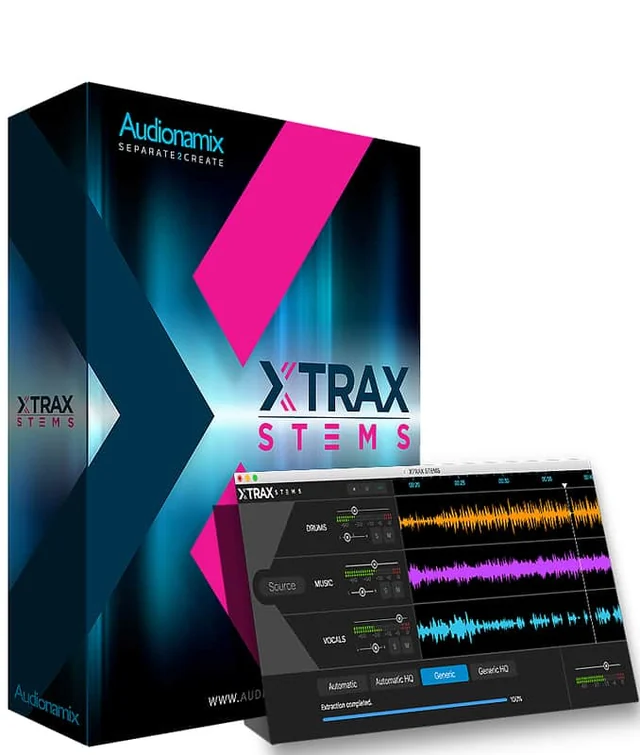
Archived Audionamix pages show XTRAX STEMS launching as a three-stem tool that later grew a fourth.
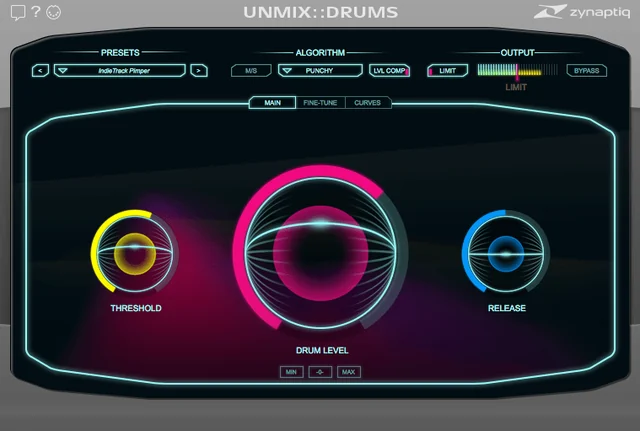
Zynaptiq's own archived pages describe a boost-or-attenuate drum control, not a kit split into individual voices.
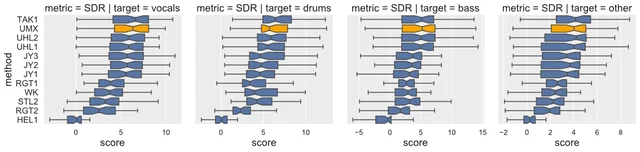
A peer-reviewed JOSS paper and open code document Open-Unmix's four-source model and its measured scores.
Native Instruments' own Stems pages show a format that ships pre-split audio rather than splitting it afterward.
Steinberg's own version history dates Unmix Stems to SpectraLayers 7 in 2020, with five default output layers.
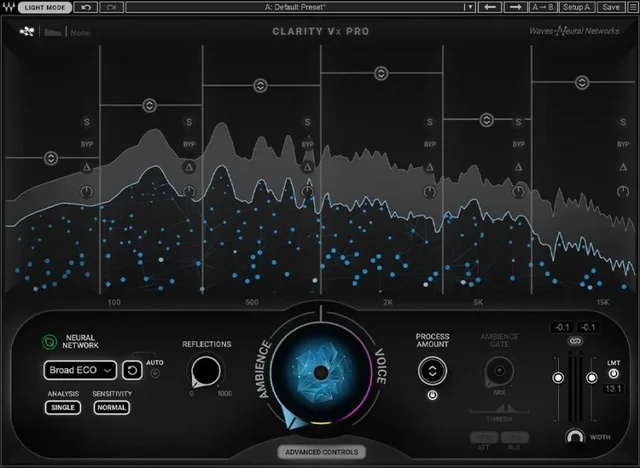
Waves documents Clarity Vx as neural noise removal for one voice track, launched in 2022, not a stem separator.
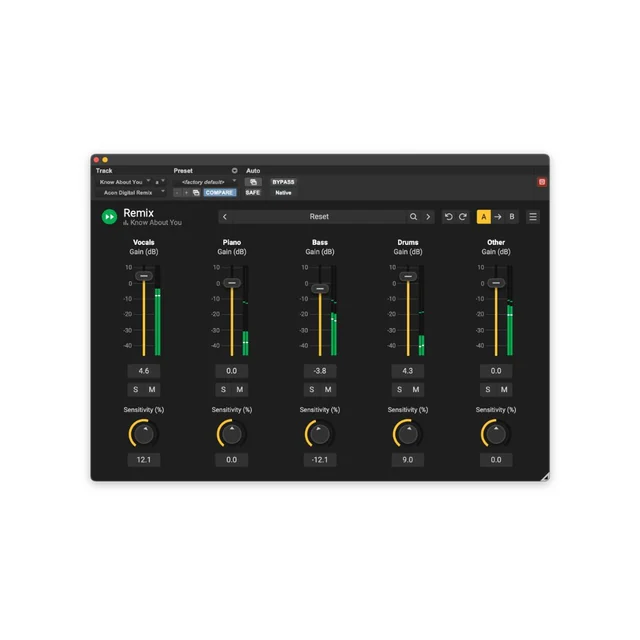
Acon Digital's own pages describe Remix's five stem outputs and name the synthetic training data behind them, without confirming a release year.
Sony's 2021 Music Demixing Challenge scored source-separation research on a shared hidden test set, not any single consumer product.
AudioShake's own site frames its separation technology around labels, sync licensing, and catalog restoration rather than a consumer remix app.
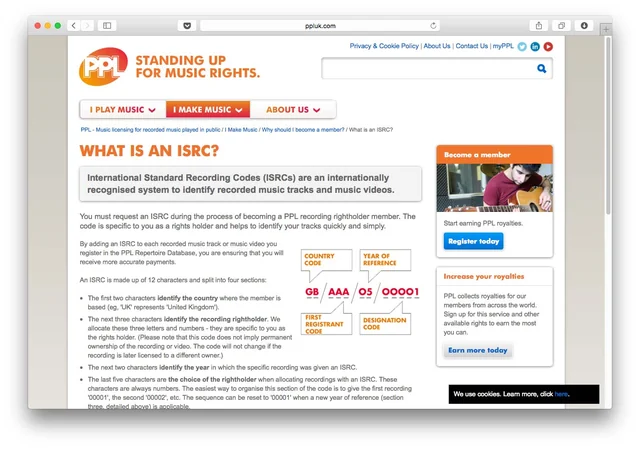
The ISRC standard's own documentation states the code identifies a specific recording and does not certify ownership or authorship.
The ISWC standard's own documentation identifies a musical work itself, distinct from any recorded version an ISRC would identify.
Beatport's own policy pages reject wholly AI-generated tracks but permit AI-assisted mixing, mastering, and stem separation.
DistroKid's own help pages allow AI-assisted and AI-generated tracks under rights and disclosure rules, separate from any DAW's own license.
CD Baby's own help pages set a strict no on AI-generated production sounds and a narrower rule against unlicensed AI training elsewhere.
SoundCloud's current terms and a dedicated page state it will not train generative AI on user content without explicit opt-in consent.
The 2018 law restructured US mechanical licensing, the payment plumbing an AI-assisted track still has to clear to get paid.
The Copyright Office's 2023 guidance tells musicians what to disclose and exclude when a track has AI-generated material.
The Office's Part 3 report analyzes fair use in AI training but is explicitly not yet a final publication.
The UK government's own March 2026 report says there is no consensus and drops its earlier preferred exception.
The Agency for Cultural Affairs frames its 2024 General Understanding as nonbinding interpretation of existing law.
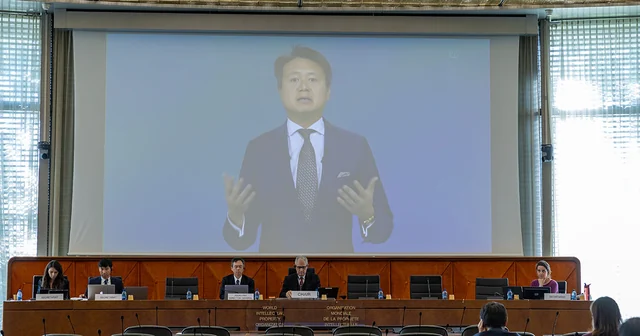
WIPO's ongoing sessions on IP and AI gather views from member states and stakeholders without producing binding rules.
Article 50 requires marking synthetic audio and disclosing deepfakes, with a context-sensitive carve-out for creative work.
The Recording Academy's rules make AI-assisted work eligible, but only for a meaningful human contribution.
The UK society's own policy bars fully AI-generated works but allows AI-assisted ones with human originality.
ASCAP's six board-adopted principles frame its member-facing position on generative AI, not a legal rule.
iZotope's own 2016 launch and tutorial pages frame Track Assistant as an analysis-based starting point a musician must still finish by ear.
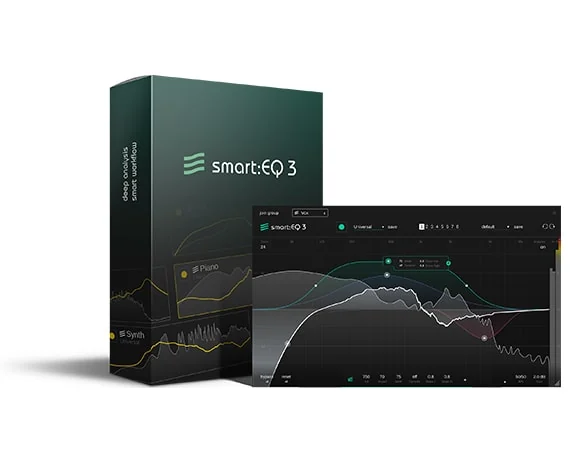
sonible's own November 2016 launch materials describe an adjustable, automated correction, not a fixed replacement for ear-led equalizing.
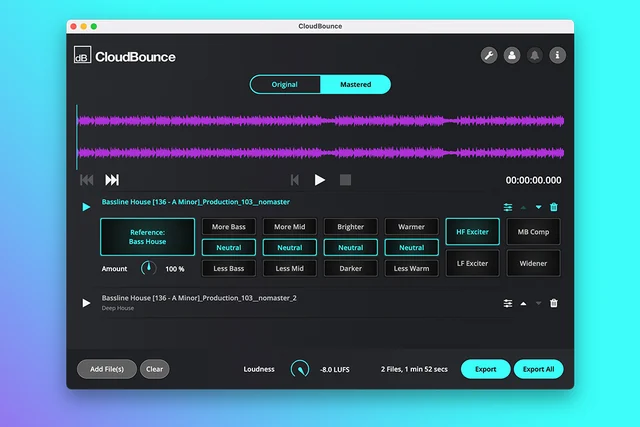
CloudBounce's own archived pages describe automated mastering as getting a musician almost there, not delivering a finished decision.
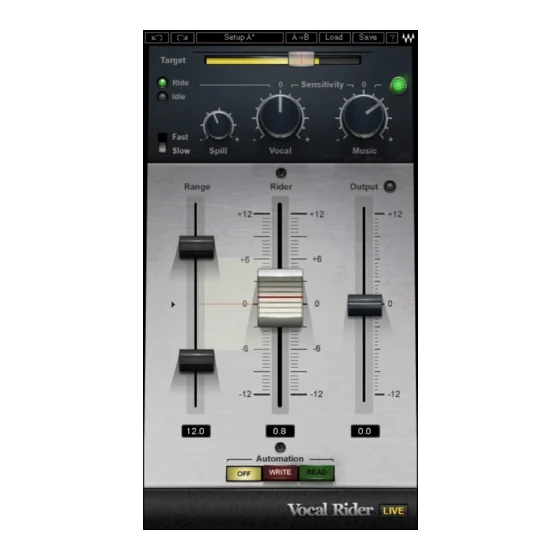
Waves' 2009 press release describes Vocal Rider as a rules-based, target-range leveler, not an AI system, despite the later date sometimes attached to it.
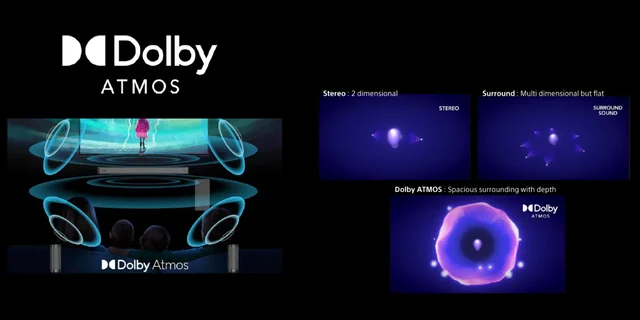
Apple's own May 2021 announcement frames Dolby Atmos on Apple Music as an object-based mixing and delivery change, not a generative-AI feature.
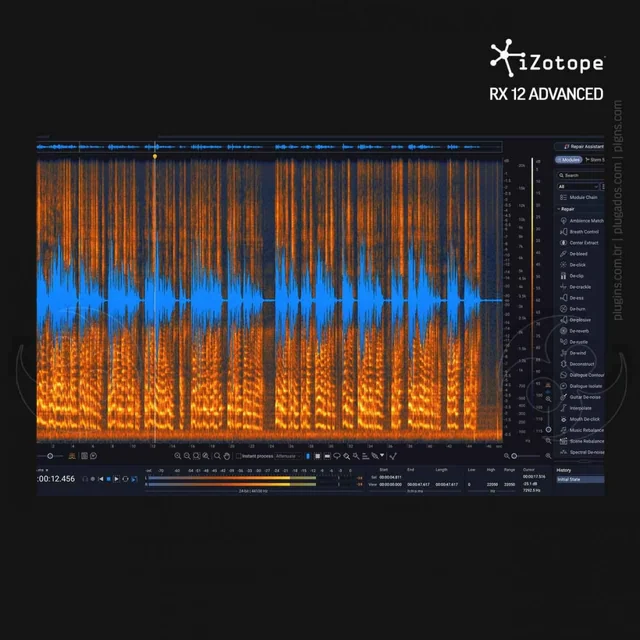
iZotope's own October 2007 press release and product page describe RX 1 as a restoration suite, with no source-separation feature yet included.
Slate Digital's November 2014 launch page describes a recallable, modular analog-style rack; its modeling-accuracy claim is the company's own, unverified here.
Sonarworks' 2014 materials describe a measured room and headphone correction with a disclosed latency trade-off, not a substitute for checking a mix elsewhere.
Universal Audio's January 2012 materials describe near-zero-latency UAD plugin tracking through a FireWire interface with an optional Thunderbolt card.
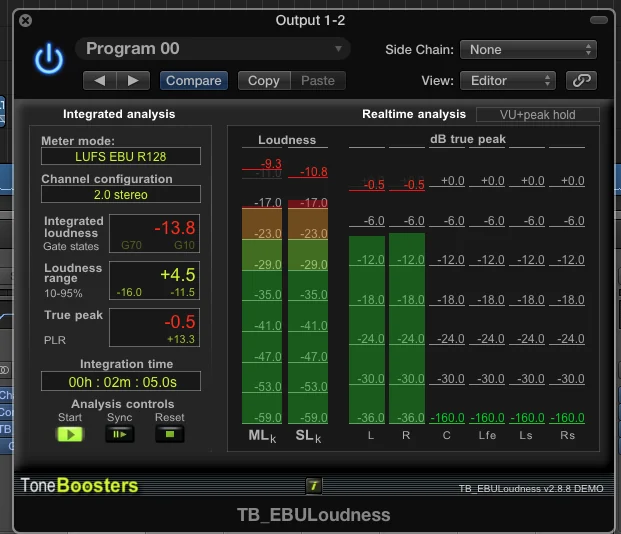
The EBU's own pages date R128 to August 2010 and describe a living, revised broadcast standard, distinct from any streaming platform's playback target.
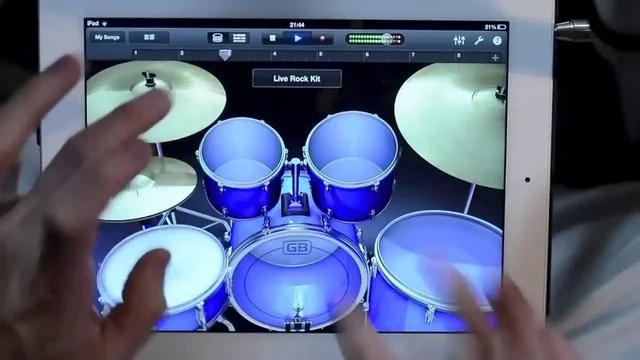
Apple's 2015 update expanded Logic's Drummer with new styles, not a new engine, and its own notes describe controls a musician still steers.
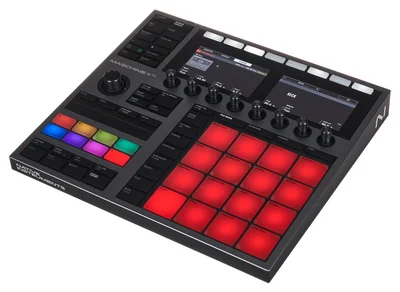
Native Instruments' own 2009 pages describe Maschine as a groove-box workflow built for arranging beats from loops and one-shots.
Output's own 2018 pages describe Arcade as a constantly refreshed loop library, not the one-time sample pack musicians knew before it.
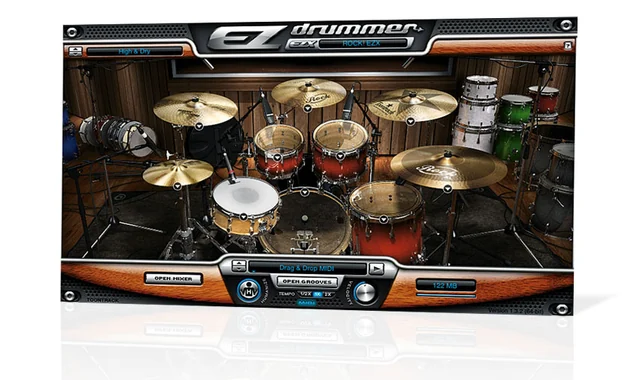
Toontrack's own 2006-era manual and product page show EZdrummer pairing acoustic samples with a style-organized groove library.
Steinberg's own December 2015 release notes call Chord Pads an existing tool it extended, not a feature 8.5 introduced.
Toontrack's own manual and site show EZkeys pairing a sampled piano with a genre-sorted MIDI library and a chord-color selector.
Apple's own archived pages bracket Drummer's arrival in GarageBand for iOS to around January 2016, following its Logic Pro debut.
The 2018 retail page for Scaler describes a MIDI effect that detects scale and suggests chords, leaving genre judgment to the musician.
Ableton's own announcement and product page describe Note as a phone-first idea catcher with a defined path into Live.
Shutterstock's own announcement of the Amper Music deal states what changed and leaves Amper's product future undisclosed.
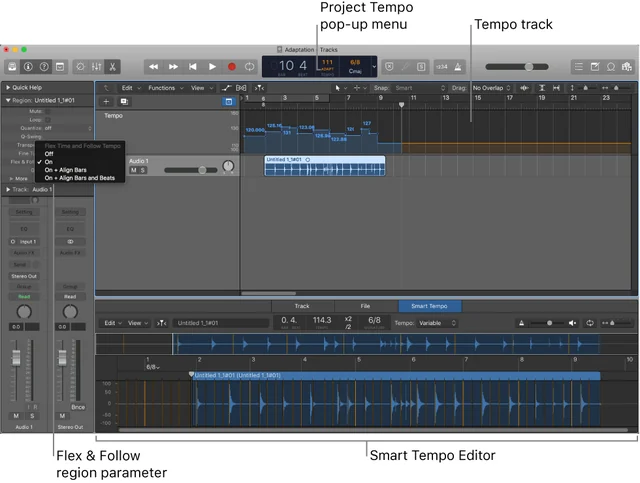
Apple's own archived pages date Smart Tempo's marketing debut to early 2018, not the commonly repeated December 2016.
A peer-reviewed study found identical piano performances rated more likeable and expressive when attributed to a human pianist.
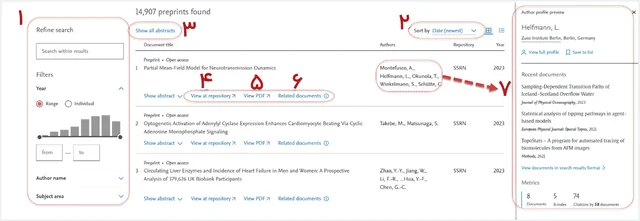
An SSRN working paper reports AI-labeled music rated less expressive though equally enjoyable, a preprint not yet peer-reviewed.
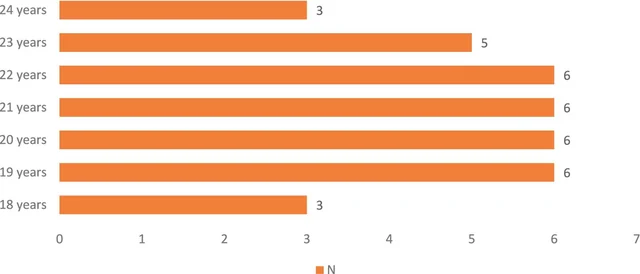
A 2025 Frontiers study of 600 Chinese undergraduates found AI features rated useful alongside a stated need for human expressiveness.
A small CHI 2025 study describes Amuse, a research prototype that turns images, text or audio into chord suggestions.
An ethnographic study of Melbourne music technologists found many valuing glitches and uncertainty over generative AI's controlled output.
Deezer and Ipsos report 97% of surveyed listeners failed to identify AI-generated music, in a company-commissioned study.
ITU-R BS.1116 defines a trained-listener, hidden-reference method for small audio impairments, distinct from the larger differences MUSHRA is built for.
ITU-R BS.1534 standardizes MUSHRA's hidden-reference-and-anchor design for audibly different versions and warns against misuse of its own name.
The Audio Engineering Society maintains a standing committee on perception and subjective evaluation, an institutional home for listening-test rigor.
Harman researcher Sean Olive's own account of a 1994 double-blind study shows sighted listeners favoring familiar brands over what they heard.
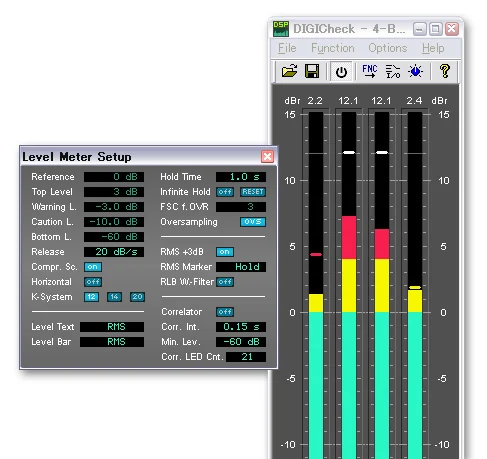
Bob Katz's K-System ties three metering scales to one calibrated monitoring level, and Katz has since revised it to LUFS-based measurement.
The Boston Audio Society's account of the early-1980s ABX comparator shows how a blind, statistically scored trial answers whether a difference is audible.
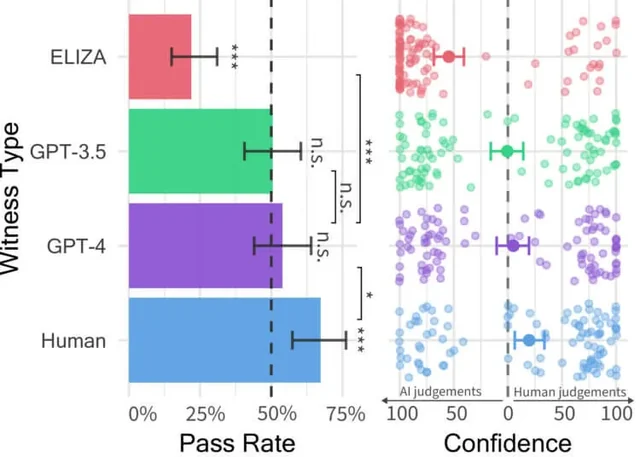
Mark Riedl's 2014 Lovelace 2.0 Test judges an AI-generated artifact against constraints a human sets, not against how surprising it merely sounds.
eMastered's own pricing page bundles unlimited automated mastering with unlimited distribution, a business bundle that does not judge any single master.
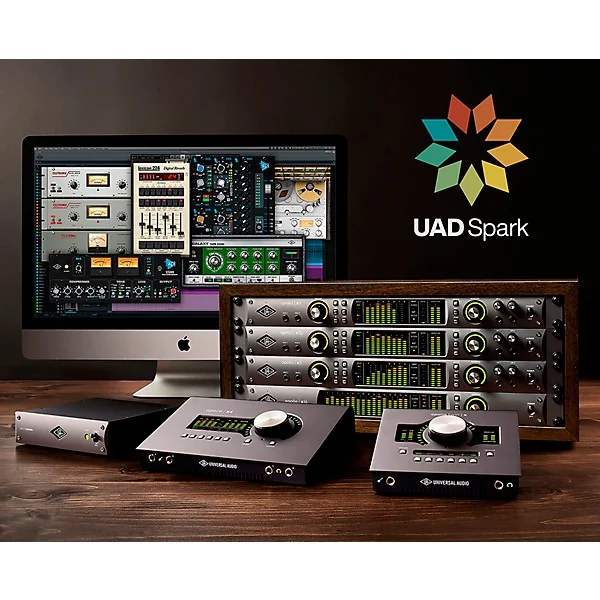
Universal Audio's 2022 launch announcement shows UAD Spark removed the hardware requirement its plugins once had, before growing into today's bundle.
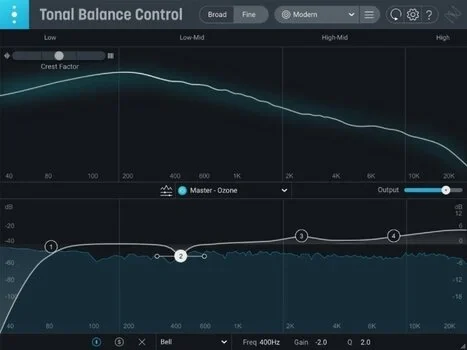
iZotope's own documentation frames Tonal Balance Control's genre curves as a visual reference a mixing engineer compares against, not an automatic decision.
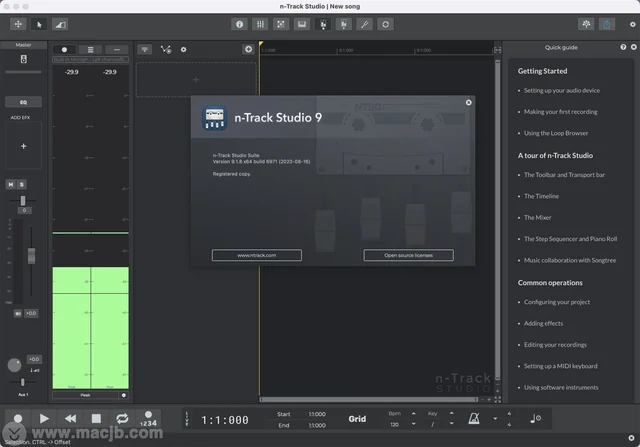
n-Track's own company history credits its founder's inability to afford tape gear for the software's 1995 start.
The app's own 2020 site describes live online jamming with loops without spelling out the network method behind that claim.
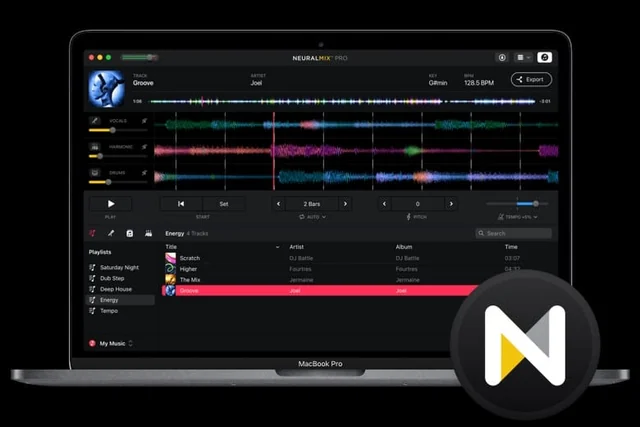
Algoriddim's own press releases date Neural Mix Pro to August 2020, two months after its DJ software debut.
BMI's October 2025 policy accepts partially AI-generated compositions for registration but not tracks generated by prompts alone.
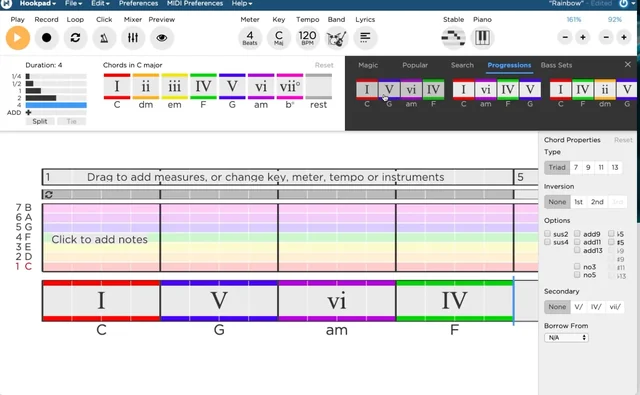
Hooktheory's own March 2015 post added instruments and export to Hookpad's existing chord-and-melody tool, not the chord engine itself.
Ableton's own sites show Learning Music arrived in 2017 and Learning Synths followed in 2019, both teaching by ear in a browser.
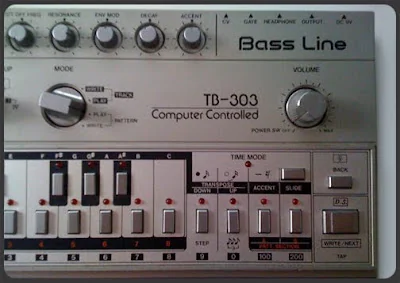
A 2004 Sound on Sound history describes the TB-303 as a failed bass-guitar replacement, years before it defined a dance genre.
Try another category or clear your search.