The tool moment
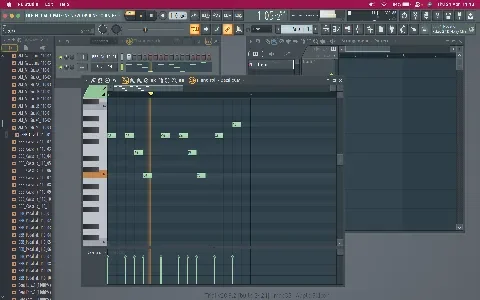
On 7 May 2018 Image-Line announced FL Studio 20, the version that put the Windows sequencer on native macOS. The announcement lists the changes: a 64-bit Mac build with Mac VST and AU support, and full project interoperability between platforms, “including support for 3rd party plugins installed on both platforms.” Version 20 also added Time Signatures throughout the Playlist and Piano rolls, multiple saved Playlist “Arrangements” for alternate structures of the same song, in-situ rendering to bounce clips to audio, and a rebuilt Plugin Delay Compensation engine. None of this touched stem separation or an in-app assistant; those arrived far later, in Image-Line's 2026 release.
What the documents show
The archived announcement is Image-Line's own release notice, not a third-party report, so its claims are a vendor's description of its own software, not independently measured fact. It states plainly what changed – Mac support, Time Signatures, freezing, multiple Arrangements – and says nothing about AI, because the release predates that marketing entirely. The current FL Studio product page is a living document, retrieved 16 September 2026, that still advertises the Lifetime Free Updates policy the 2018 notice invoked (“carries on our Lifetime Free Updates policy into the 20th year”); it does not document what shipped in any past version, so it is cited only for that continuity.
What stays with the musician
A rebuilt codebase and a Mac build do not choose a song's structure. Multiple Playlist Arrangements gave a producer a place to keep a radio edit and an extended mix of the same project without duplicating files, but deciding which arrangement is right, and when a sketch should become a linear song, is still a session-by-session judgment. Time Signature support removed a technical ceiling, but a producer still has to hear where a bar of 7/8 belongs and whether it serves the groove or just shows off the feature.
Judge it by listening
There is no audio-quality claim to test here; the useful check is workflow fidelity, not sound. This is editorial guidance beyond what Image-Line's notice states: open the same project on both platforms if you work across Mac and Windows, and listen for whether plugin automation, freeze renders, and time-signature changes translate identically, since interoperability is exactly the claim the 2018 release made for itself.
- Does a Playlist Arrangement actually get auditioned end to end, or does it just accumulate unused versions?
- If a session moves between Mac and Windows, do frozen clips and plugin states survive unchanged?
- Where in a track does an unusual time signature serve the arrangement rather than announce itself?
FL Studio 20 is worth remembering because it changed almost nothing about what the software could do to a sound and everything about who could run the program and how a song's structure could be kept in flight. That is a different kind of tool moment from the AI-assisted ones this site otherwise tracks, and it is worth keeping the two apart.
Sources & reading trail
Image-Line's own dated announcement of FL Studio 20's Mac support, Time Signatures, in-situ rendering, multiple Playlist Arrangements and rebuilt PDC.
Source published: 7 May 2018 · Retrieved: 16 September 2026
Living current product page confirming the Lifetime Free Updates policy referenced in the 2018 announcement is still in effect, cited for continuity only.
Source published: Not established · Retrieved: 16 September 2026
Documentation, papers and the makers' own records establish the note; the judgment about what stays with the musician is Mix & Meaning editorial analysis. This retrospective draft does not imply the site published on the event date.