The tool moment
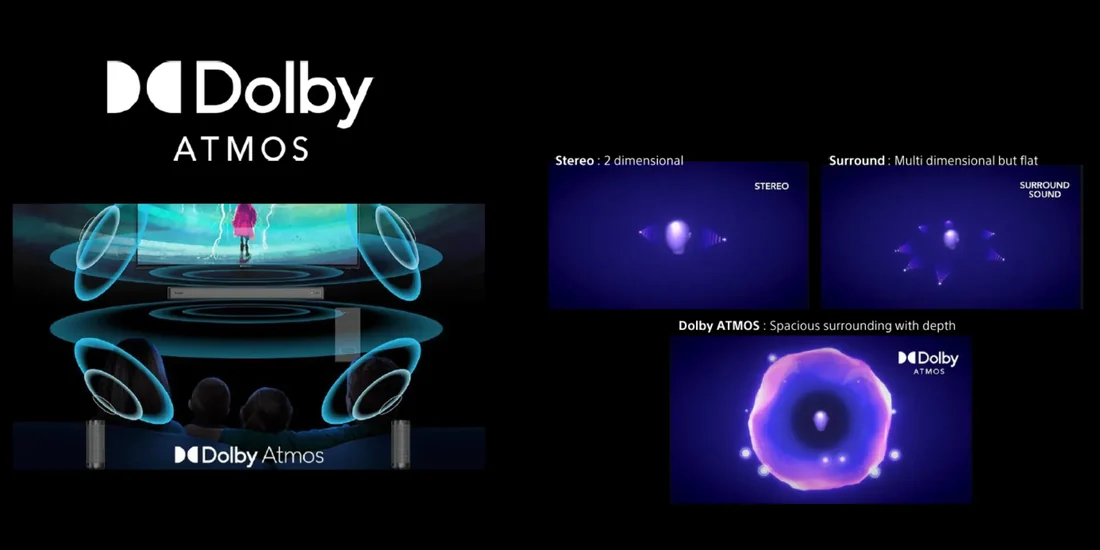
On 17 May 2021, Apple announced that Apple Music would add Spatial Audio with support for Dolby Atmos, rolling out to subscribers the following month at no extra cost. The format change asked mixing engineers to work in object-based audio, placing individual sounds in a three-dimensional field rather than panning them across two fixed stereo channels, for tracks then rendered down to however a listener's speakers or headphones were arranged. This was a mixing and delivery change, independent of any question about AI-assisted composition or generative tools: a human engineer still built the mix, in a new geometry.
What the documents show
Apple's own release describes the shift in plain terms: Dolby Atmos 'enables artists to mix music so the sound comes from all around and from above,' and Apple states it worked with Dolby on 'doubling the number of Dolby-enabled studios in major markets' alongside educational programs for engineers adapting to the format. Dolby's own technology page describes Atmos generally as letting creators 'place each sound exactly where they want it to go' rather than confining it to a channel. Both documents are the companies' own descriptions of what the technology offers; neither is an independent measurement of how consistently a given Atmos music mix translates across the wide range of playback devices, AirPods, a phone speaker, a full immersive array, that Apple's release itself lists. The engineers quoted in Apple's release, including Giles Martin, offer first-person accounts of mixing in the format, which are testimonials, not a documented evaluation method.
What stays with the musician
Object placement in a three-dimensional mix is still an artistic decision: which instrument moves overhead, how wide a chorus should spread, whether immersion serves the song or distracts from it. Apple's release notes Dolby Atmos tracks are added 'constantly' and curated into playlists, but says nothing about which songs benefit from the format versus which were remixed into it as a catalog exercise. Consent and authorship questions, whether an artist approved a catalog remix into Atmos, are not addressed in either document and remain outside what these sources can confirm.
Judge it by listening
Because translation across playback systems is central to the format's own pitch, a practical, editorial check is comparing the same Atmos mix on headphones, a phone speaker, and a dedicated speaker setup, listening for whether spatial placement still serves the arrangement or collapses into a muddier version of the stereo mix on lesser playback.
- Was this song mixed for Atmos originally, or reprocessed into it after the fact?
- Does the object placement still make sense on the playback system a typical listener actually owns?
- Whose creative decision was the immersive mix, and is that documented anywhere public?
The documents establish a delivery and mixing-format change Apple and Dolby built together in 2021; they do not establish that every Atmos mix improves a song, only that the tools to attempt one became widely available that year.
Sources & reading trail
Apple's own announcement giving the date, the June 2021 rollout, and quoted engineer accounts of Atmos mixing.
Source published: 17 May 2021 · Retrieved: 16 September 2026
Dolby's own living description of object-based audio placement underlying the Atmos format.
Source published: Not established · Retrieved: 16 September 2026
Documentation, papers and the makers' own records establish the note; the judgment about what stays with the musician is Mix & Meaning editorial analysis. This retrospective draft does not imply the site published on the event date.