The tool moment
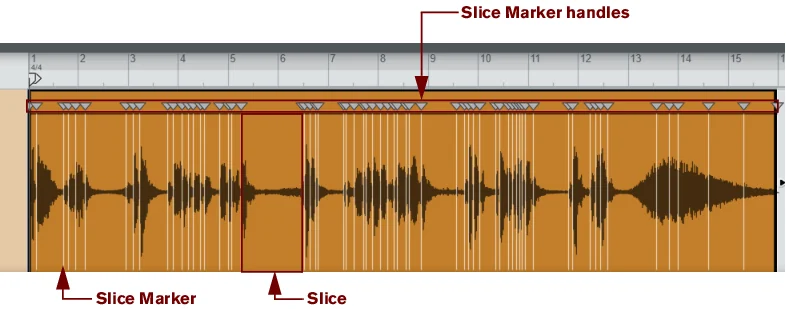
Propellerhead's ReCycle, released in 1994, sliced a single audio loop into individually addressable segments, saved in the company's REX format, so each slice could follow a new tempo without losing its original groove. Reason Studios' own company timeline credits ReCycle's instant success with launching the company itself, founded by Ernst, Peter and Marcus. The current ReCycle product page describes a REX file as containing the original audio of the loop, the slices applied to it, and any effects or processing added, meant to be dropped into a sampler-style device such as Dr. Octo Rex Loop Player or Kong Drum Designer for further playing and rearranging.
What the documents show
Both are the manufacturer's own current retrospective and product pages, not a contemporaneous 1994 record, so the instant-success and format-standard framing are the company's own claims about its own product. The product page's own list of apps supporting REX technology today — naming Reason, Ableton Live, Pro Tools, FL Studio, Cubase, REAPER, and Cakewalk by BandLab among others — is a current fact about the format's reach, distinguishable from the founding-era claim about ReCycle's original success.
What stays with the musician
ReCycle's own description makes a distinction worth preserving: slicing operates on one already-chosen loop, splitting it into its own constituent hits, which is mechanically different from today's AI source separation, which pulls apart multiple instruments mixed together in a finished recording. A musician using ReCycle still decides where each slice boundary falls, which slices to keep, reorder, or re-trigger, and what tempo the rebuilt loop should sit at — the software slices; the arrangement is still assembled by hand.
Judge it by listening
A reader can check, by ear, whether a smart loop tool is doing ReCycle-style transient slicing, mechanical and tied to one known file, or AI-based multi-instrument separation, since marketing sometimes blurs the two. Because a REX file, per Reason Studios' own description, stores the audio plus its slice points and any processing, a musician can inspect and listen to a rebuilt loop slice by slice to confirm which technique actually produced it, rather than trusting a product name alone.
- Is a tool slicing one known loop into its own parts, or separating several different instruments mixed together?
- Does a REX-compatible claim mean the format is read correctly, or only that a similar-sounding slicing feature exists?
- When a vendor calls its own format an industry standard, is that claim checked against an actual list of supporting software?
ReCycle's slice-and-map method set the vocabulary — slices, warp points, REX files — that later loop and stem tools still borrow, even where the underlying technique, AI source separation, is genuinely different. Keeping that difference named protects a listener from assuming one technology's maturity for another's.
Sources & reading trail
Reason Studios' own company timeline dates ReCycle to 1994 and credits it with launching Propellerhead, naming its founders.
Source published: Not established · Retrieved: 16 September 2026
Reason Studios' current ReCycle page describes the REX slicing method, what a REX file contains, and lists current software supporting the format.
Source published: Not established · Retrieved: 16 September 2026
Documentation, papers and the makers' own records establish the note; the judgment about what stays with the musician is Mix & Meaning editorial analysis. This retrospective draft does not imply the site published on the event date.